Loading...
AI Pokemon Card Grader
An AI Pokémon card grader app before a professional submission
CardGrade is an AI Pokémon card pre-screen: upload a photo to review centering, corners, edges, and surface before you decide whether to submit to PSA, BGS, or CGC. It is not an official grade, authentication result, or value appraisal.
Use the result as an inspection aid; professional graders make the final decision.
Looking for a free Pokémon card grading app? Start with one clear photo, review the condition factors, and use the report to decide which cards deserve a professional submission.
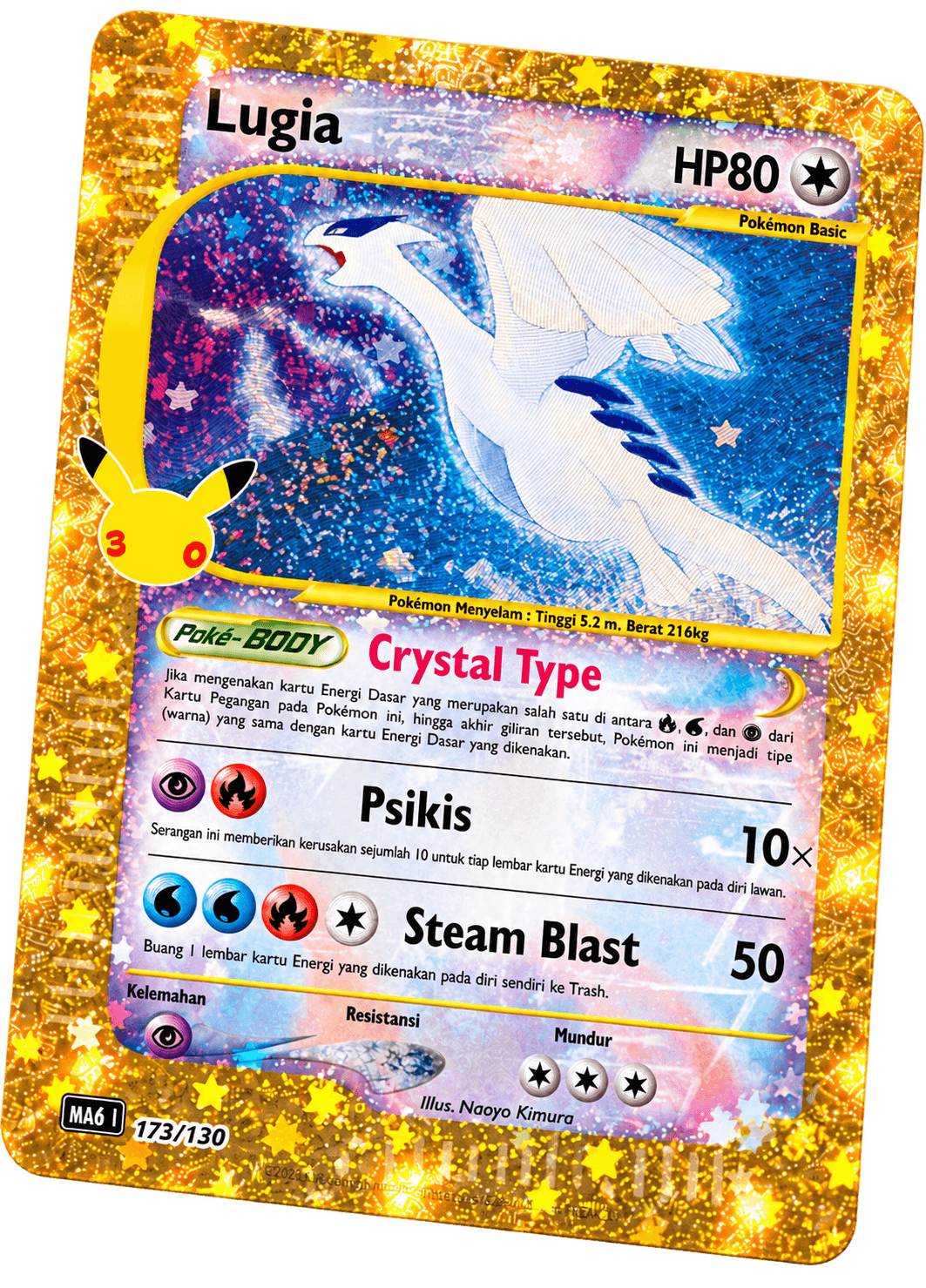
Enhanced card artwork · illustration
Before you send it, Pre Grade it.
Review centering, corners, edges and surface.
View a real Lugia reportReport shows a separate, unenhanced scan. Estimates, not official grades.
4.8★
447 App Store and Play ratings
~60s
To your grade
The Report
A pre-screen to support your own inspection
Review the reported condition factors, then inspect the card carefully and check current fees and comparable sales before you submit.
Pre-Grade Report • Charizard VMAX
9.5
Illustrative
AI pre-screen
AI pre-screen
Centering9.5
60/40 L-R — inspect against PSA’s published guidance
Corners9
faint touch, bottom-left
Edges9.5
clean, no whitening
Surface9
Review before you submit
Compare the full submission decision
Consider service fees, current turnaround estimates, shipping, insurance, card condition, and comparable sales before committing a card to professional grading.
Verified September 14, 2026: PSA lists Regular at $59.99 per card with an estimated 90-100 business days. Check PSA's live service schedule →
Submit without a pre-screen
Use a pre-screen as one input
Current direct PSA entry fee
$79.99 Regular tier
review before you submit
Professional outcome
PSA determines it after review
use the pre-screen as one input
Time to an answer
varies by selected service
AI pre-screen results are available in the app
Shipping & handling risk
lost/damaged in transit
card never leaves your hands
Which cards to submit
CardGrade Gem Rate Index • Original Data
Here's what the Pokemon data shows.
This index summarizes CardGrade AI pre-screen results for cards users analyzed. It is not a PSA, BGS, or CGC population report and does not predict a professional outcome.
32%
AI pre-screens at the top band
across Pokémon cards analyzed in CardGrade
20%
Base Set AI pre-screens at the top band
based on cards analyzed in CardGrade; professional outcomes can differ.
Easiest sets to gem
- The Pokemon Company Ascended Heroes Checklist60%
- Surging Sparks53%
- Destined Rivals53%
AI pre-screen results across cards CardGrade analyzed — not official PSA/BGS/CGC outcomes. See the full Gem Rate Index →
Built for Pokemon
16 inspection zones, tuned for Pokemon cards
The report focuses on centering, corners, edges, and surface as inspection inputs. PSA makes the final grading decision after physical review.
Centering measurements to review
Use measured left/right and top/bottom ratios as part of your inspection. PSA publishes approximate 55/45 front and 75/25 reverse centering limits for PSA 10, while reserving the final judgment.
Holo & reverse-holo inspection
Reflective foils can make surface issues harder to see. Use the pre-screen alongside clear, well-lit photos and your own close inspection.
WOTC vintage to Scarlet & Violet
Base Set, Jungle, Fossil, Neo, and every modern set including Japanese exclusives. The model adjusts for the card stock and print of each Pokemon era.
A report, not just a number
The report surfaces centering, corners, edges, and surface observations so you can review the factors behind its pre-screen result.
Market research still matters
Compare recent completed sales for the exact card and grade. CardGrade does not establish a card’s market value or guarantee that grading is worthwhile.
Grading 101
“Is my card even worth grading?”
Use these questions to research a submission; no checklist can establish the professional grade or a future sale price.
Check published centering guidance
For PSA 10, PSA publishes approximate 55/45 front and 75/25 reverse centering limits. It also says eye appeal can affect a close decision, so a ratio alone does not decide the grade.
Inspect every condition factor
Centering, corners, edges, surface, print quality, and eye appeal can all matter. Use clear light and close photos, then leave the professional decision to the grading company.
Compare current sales for the exact card
Price differences between grades vary by card, variation, population, eye appeal, and current demand. Use recent completed sales, not a generic multiplier, for any purchase or submission decision.
Count the full submission cost
Include current service fees, shipping, insurance, declared value, and the time your card will be away. Grading can serve collecting, protection, registry, or resale goals; there is no universal break-even rule.
4.8★ • 447 ratings
Collectors use it before every submission
★★★★★
Awesome!!
“Best card grader there is. Simply scan your card and it tells you if you’re gunna make money or not. It’s too easy!!”
Natebiros • App Store
★★★★★
Look no further!
“Best bang for your buck — getting an accurate grade before getting it graded at one of the big grading houses!”
Arod515 • App Store
★★★★★
Ruthless (in a good way)
“The insane level of accuracy for this app is great. It is ruthless and I’m very pleased so far.”
Scott Tribbey • App Store
Pricing
Plan the inspection before the submission
Verified September 14, 2026: PSA's published Regular tier is $59.99 per card, plus relevant shipping and insurance. CardGrade's AI pre-screen is an inspection aid, not a professional grade, authentication result, or value guarantee.
FAQ
Honest answers
Is an AI grade the same as an official PSA grade?
No. CardGrade is an AI pre-screen that helps you review the card before deciding on a PSA, BGS, or CGC submission. It does not assign an official grade, authenticate a card, or establish its market value.
How should I use the Pokémon AI pre-screen?
CardGrade provides an AI pre-screen based on the images supplied. Use its centering, corners, edges, and surface observations as inspection input, then rely on the grading company’s physical review for an official outcome.
Why is my card a 9 and not a 10?
A professional grade reflects the whole card, including centering, corners, edges, surface, printing, and eye appeal. An AI pre-screen may call out visible factors to recheck, but it cannot determine the professional result from a photo alone.
Does it work on WOTC vintage and Japanese cards?
Yes. Base Set through Neo, Japanese exclusives, and every modern set are supported. The model accounts for the different card stock, sizing, and print standards across eras and regions.
Is it really worth grading my Pokemon cards?
Compare the exact card’s recent raw and graded sales with the full submission cost, including service fees, shipping, insurance, and your reason for grading. Verified September 14, 2026: PSA lists its Regular tier at $59.99 per card with an estimated 90-100 business days; check the live service page before submitting because pricing and availability can change.