Cardboard Connection Says DIY AI Grading Is Becoming a Submission Filter in 2026
The Cardboard Connection's new 2026 collector guide argues that DIY grading tools are moving from nice-to-have hobby helpers into a practical
The Cardboard Connection's June 2 guide is blunt about the submission math collectors are facing in 2026: guessing is expensive. The article says the modern hobby is dealing with a secondary market full of recent high-print-run cards, professional grading backlogs that can stretch for months, and submission fees that have climbed steadily. In that environment, sending every clean-looking card to PSA, CGC, BGS, or another grading company is not a strategy. It is a bill.
The clearest example in the source is the "junk slab" problem. The guide describes collectors submitting cards with PSA 10 hopes, only to receive PSA 7 or PSA 8 results. Its simple example is an $8 raw card paired with a $25 grading fee: if the finished slab is only worth $12, the collector has not created value. They have created a loss. That is the exact decision point where pre-screening matters.
The CardGrade angle is not that AI replaces professional grading. It is that AI can help collectors decide what deserves professional grading in the first place. The source uses similar language, describing "smart grading" as a data-driven pre-screening process that combines AI analysis with targeted manual inspection before a submission decision is made. That is a healthy way to think about the tool category. The slab company still authenticates, grades, encapsulates, and creates the market-recognized label. The collector uses technology earlier in the process to avoid paying to grade cards that were never strong candidates.
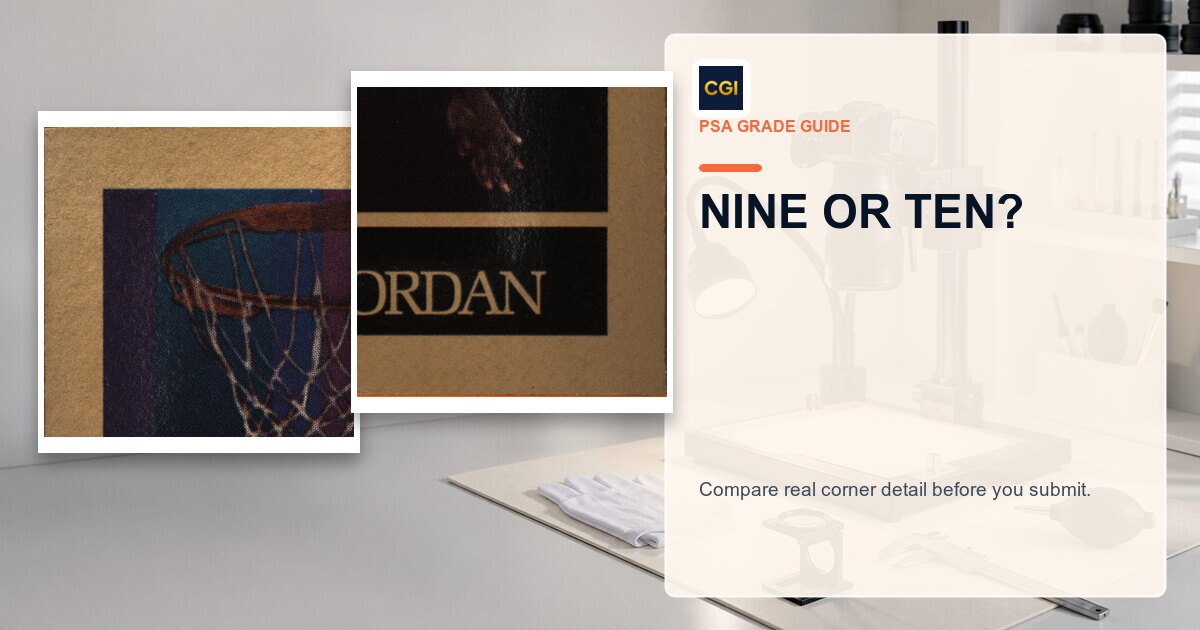
That distinction matters because grading is not one decision. It is a sequence of smaller filters: Is the card centered well enough? Are the corners clean enough? Are the edges worth a closer look? Is the surface hiding scratches, dimples, residue, or print defects? CardGrade's own grading workflow is built around that same pre-submission mindset: use AI pre-screening before PSA or BGS, then decide whether the paid submission makes sense.
Why This Story Matters for Collectors
The Cardboard Connection guide frames the hobby as splitting into two groups: collectors relying on instinct and collectors treating grading as a data problem. That is the most important part of the story. The tools are changing, but the real shift is behavioral. Collectors are no longer limited to holding a card under a desk lamp and hoping their eye is good enough. They can use phone-based workflows to measure centering, flag visible defects, and sort a stack before spending real money.